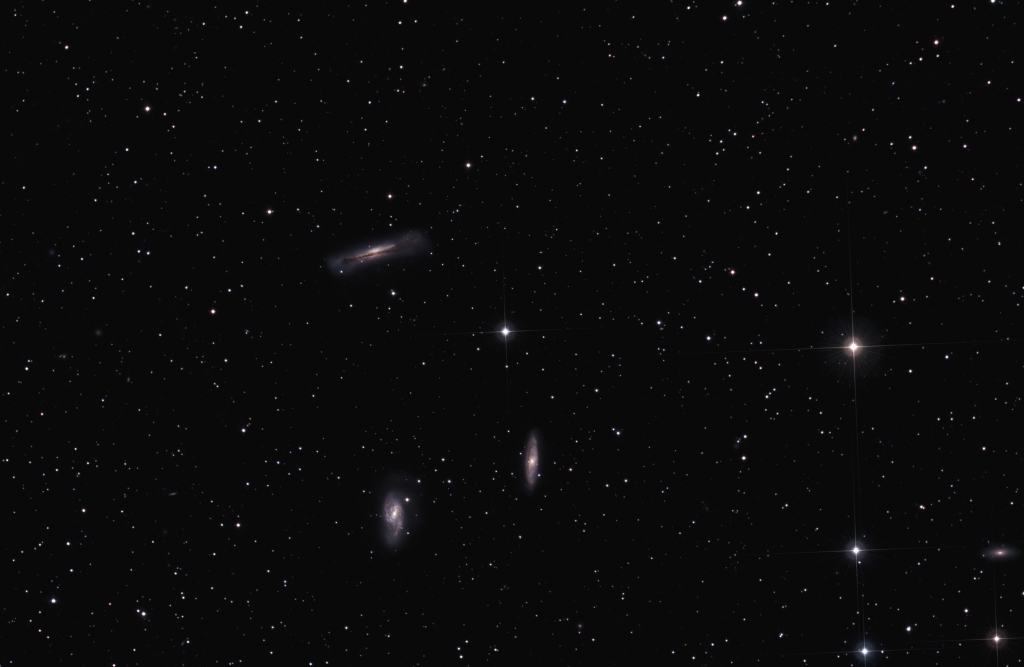
Leo Trio composite using Registar

This is a composite image showing the Leo Trio region.  Hyperstar III data taken on 21st March 2010 has been combined with older Hyperstar 1/H9C (2-frames) data from much earlier.  The composite was created using the powerful registering program Registar.

Posted in Hyperstar and SXV-H9C, Hyperstar and SXVF-M25C | Leave a comment

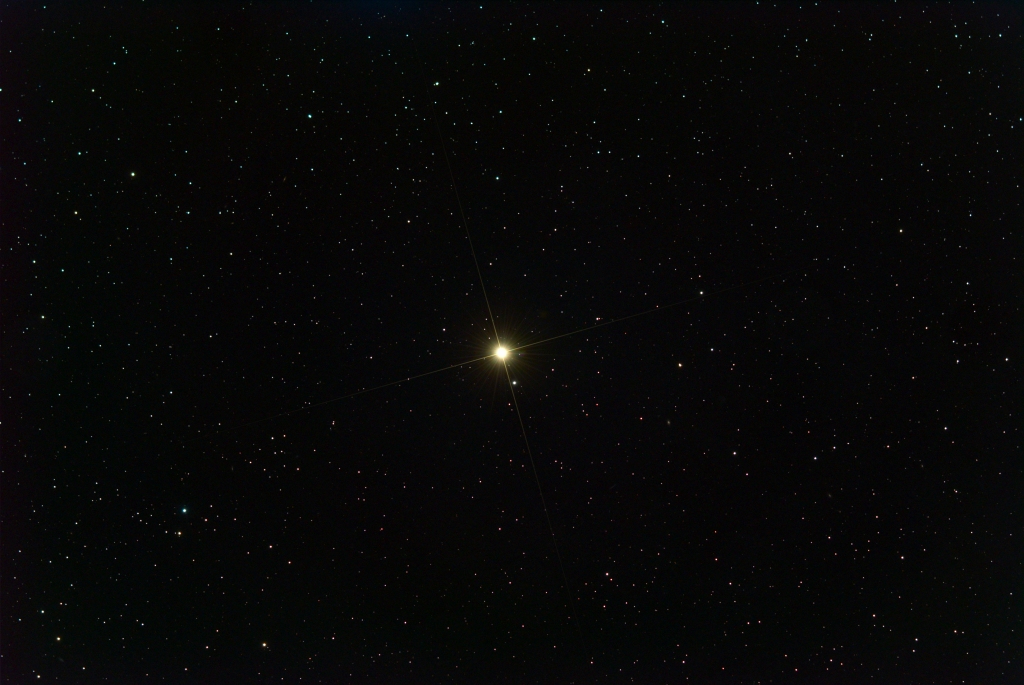
Pointer Star Dubhe in the constellation Ursa Major

Taken last night (2nd Feb 2012) in -3C temperatures with a blazing Moon overhead.  Camera 1 on the mini-WASP, Dubhe, one of the two “pointer stars” in Ursa Major.  A nice orange coloured star and another one for the “single star image” portfolio.

Posted in mini-WASP Array | Leave a comment

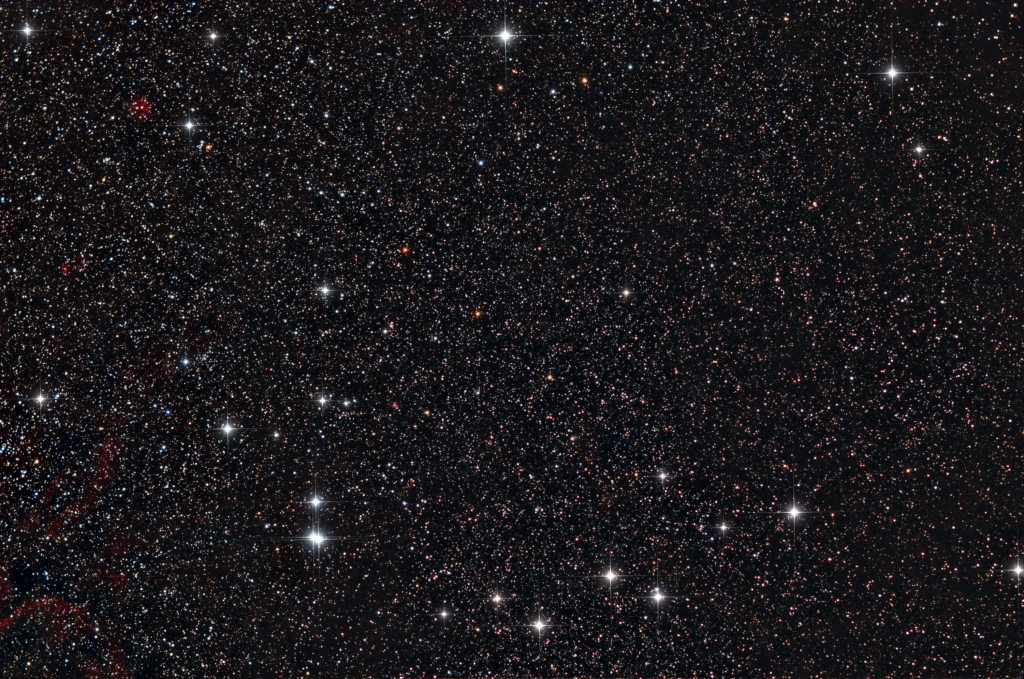
IC 1831 region in Cassiopeia – Milky Way star field

North is to the right in this Sky 90/M25C image comprising 33-subs at 590 seconds per sub.  I went very deep with the Sky 90 for this one under almost perfect sky conditions.  To the left of the image the red nebulosity is the top of the Heart nebula, IC1831 is the central region of the image.  As you can see there are plenty of stars as we are in the Milky Way here 🙂


Posted in Sky 90 and SXVF-M25C | Leave a comment

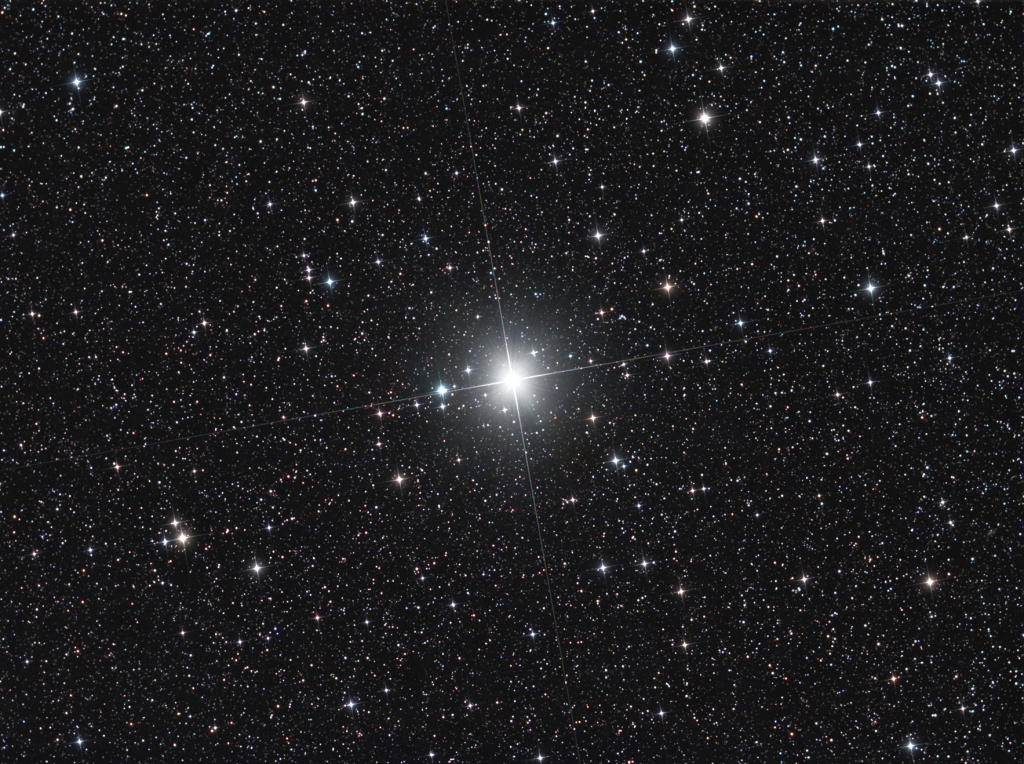
IOM February 2012 – Procyon

I have gone for one of my “single bright star” images for this Month’s “Image of the Month”.  This Month’s object is the star Procyon or 10-Alpha Canis Minoris in the constellation Canis Minor.  Procyon shines brightly in this region of sky at magnitude 0.40 and part of the reason it is so bright is that it is very close to us at just 11.41 light years.  With an F5IV-V spectrum, Procyon appears bright white in the sky, and also in this image.  You don’t need very long subs when imaging bright stars, but if you want to capture a decent number of background stars you need to use subs from 3-5 minutes long.  In order to reduce the noise it is a good idea to get at least a couple of hours of total exposure time, though if conditions are favourable you will get a good result with just an hour or so.  As this image was taken with the Sky 90 refractor it is clear that the spikes are “software spikes”.  When a single star is the subject of the image I prefer to see some spikes rather than a bright ball of light with an extended fuzzy outline – but that is just personal preference.  There are some cases (M44 immediately comes to mind) when I prefer no spikes at all, it depends a great deal on the subject and its setting.

There isn’t much apart from Procyon in this region so this one is a case of all or nothing, only really worth taking if you are building up a portfolio of  the brightest stars in the sky.

Until next month – good imaging 🙂
Posted in IOM | Leave a comment

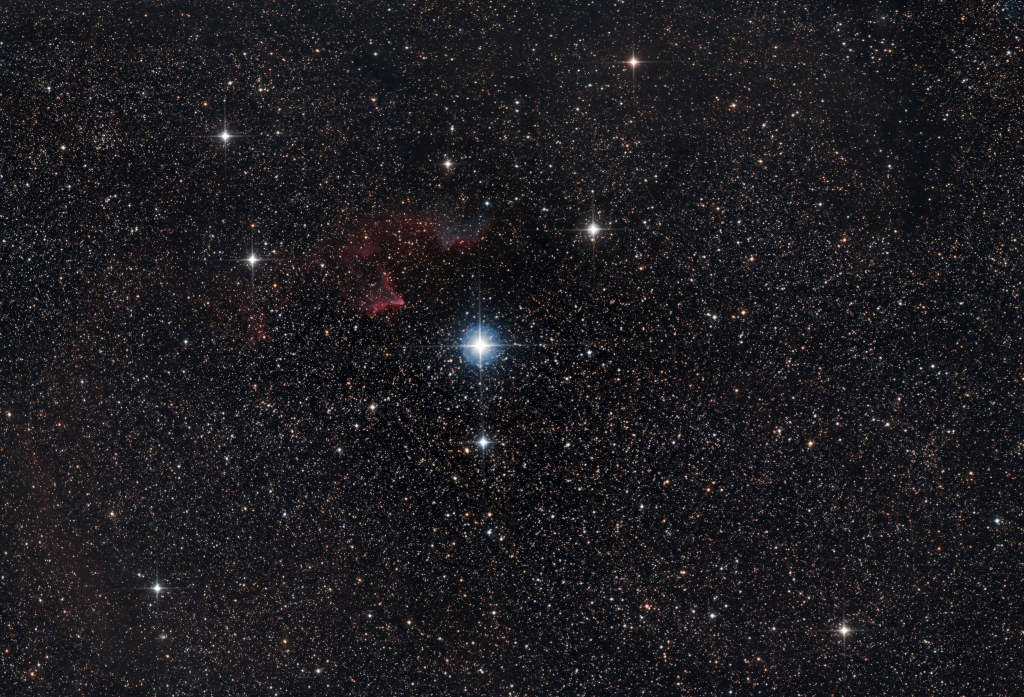
The Gamma Cassiopeia region

A 4-frame Hyperstar III mosaic of the Gamma Cassiopeia region taken a long while ago.

Posted in Hyperstar and SXVF-M25C | Leave a comment

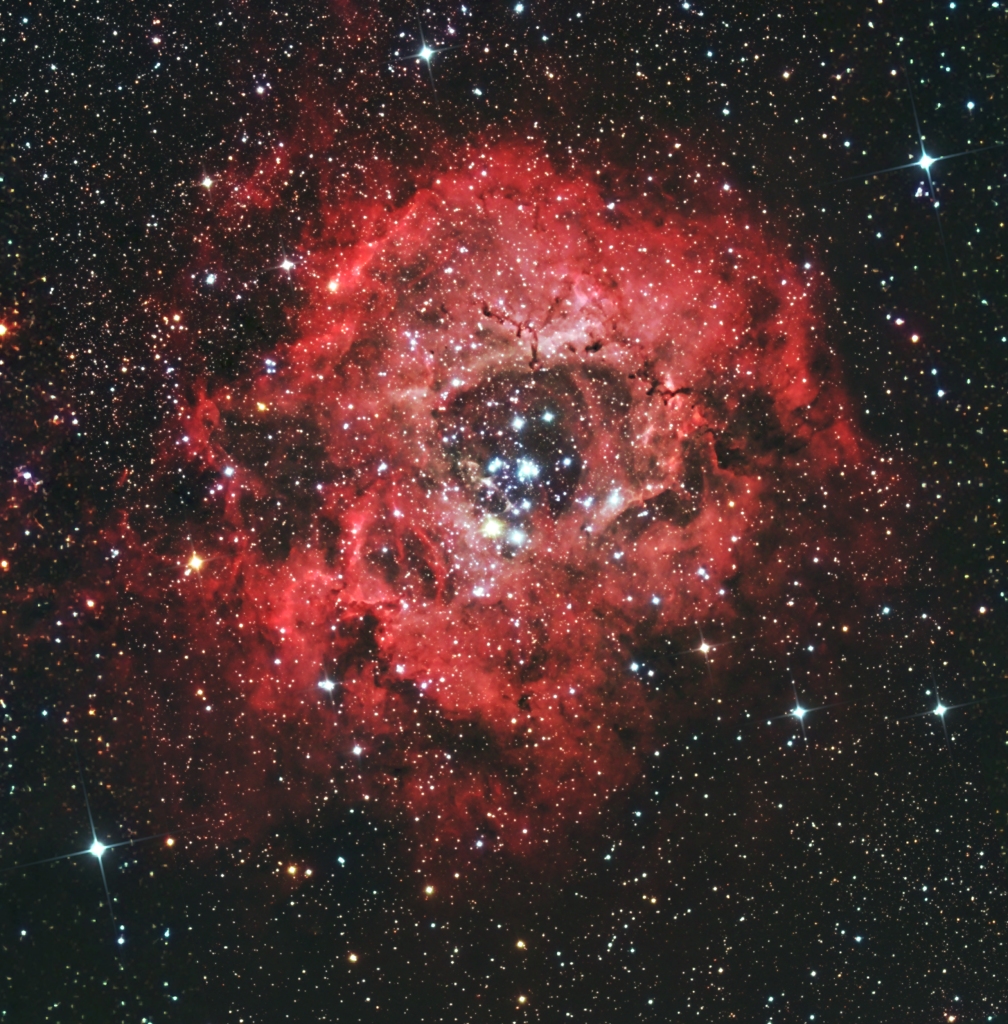
Rosette nebula reprocess using Registar

The Rosette nebula reprocessed using the proper procedure in Registar.

Posted in Hyperstar and SXV-H9C, Hyperstar and SXVF-M25C | Leave a comment

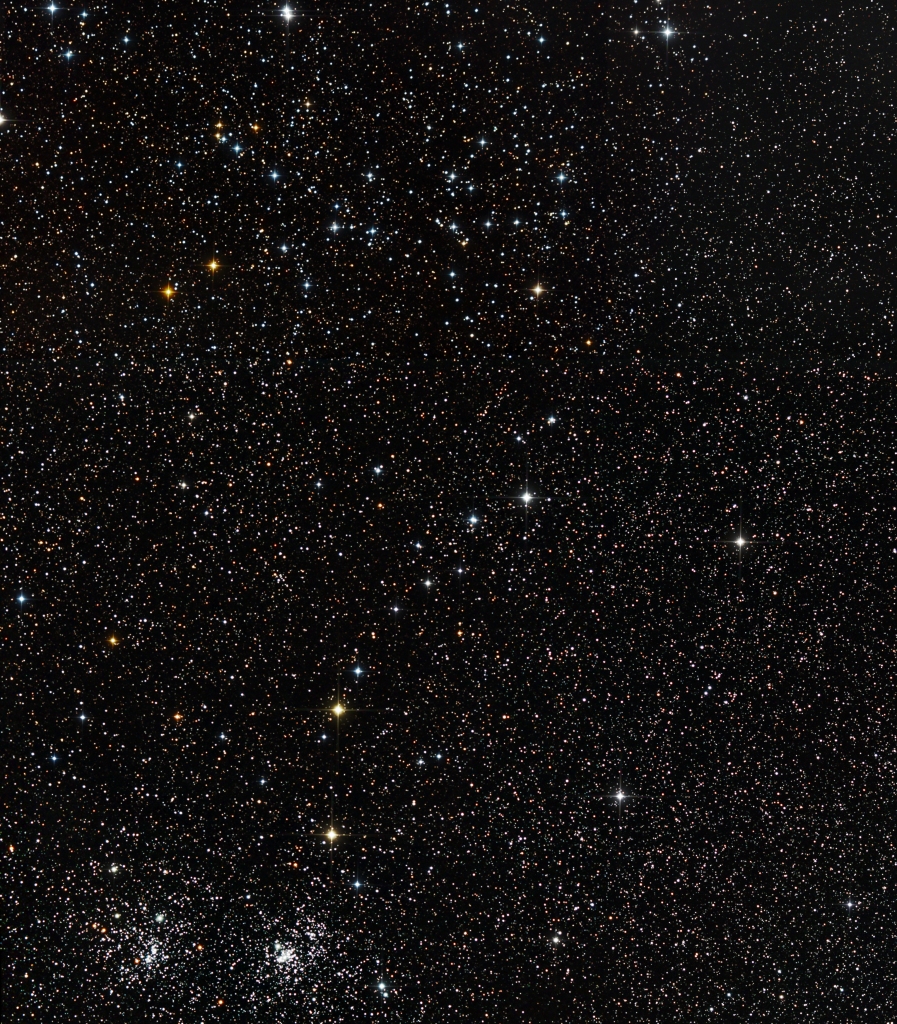
Reprocess and crop to the Double Cluster and Stock 2

I guess it must be obvious that the weather hasn’t been too good recently and there’s no new data to work on.  So I revisited the Double Cluster and Stock 2 data taken using the Sky 90s and M26Cs on the mini-WASP array and came up with this.  Quite happy with this one now 🙂


Posted in mini-WASP Array | Leave a comment

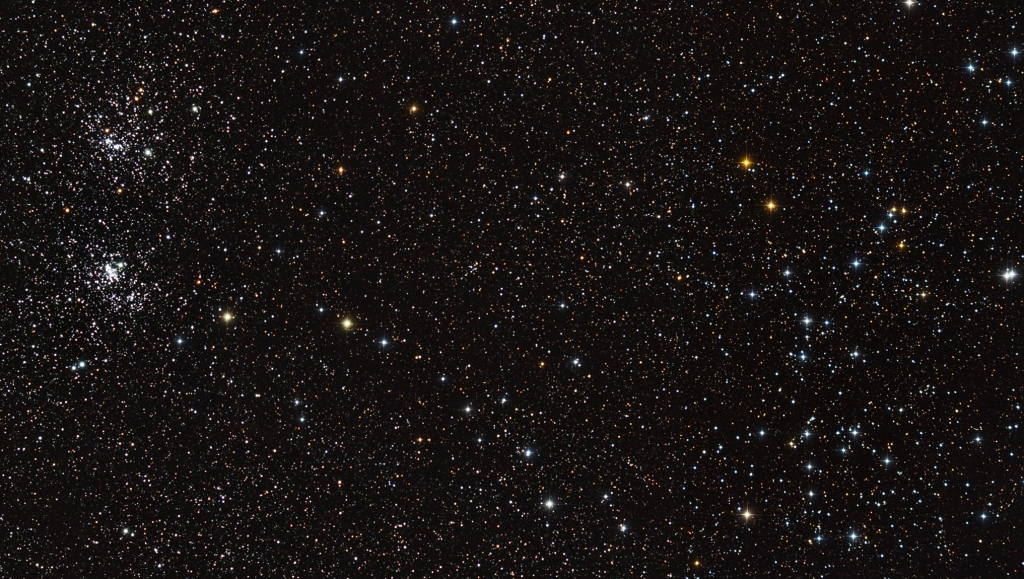
Double cluster and Stock 2 reprocess

A reprocess of the Sky 90/M26C data with North to the right – cropped to a smaller field of view.

Posted in mini-WASP Array | Leave a comment

Proper dataset this time!

Although this image probably only looks a little brighter – it also uses the proper (dual) dataset as well, so there’s a couple more hour’s worth of RGB data from the Hyperstar III in this one.

Posted in Hyperstar and SXVF-M25C | Leave a comment

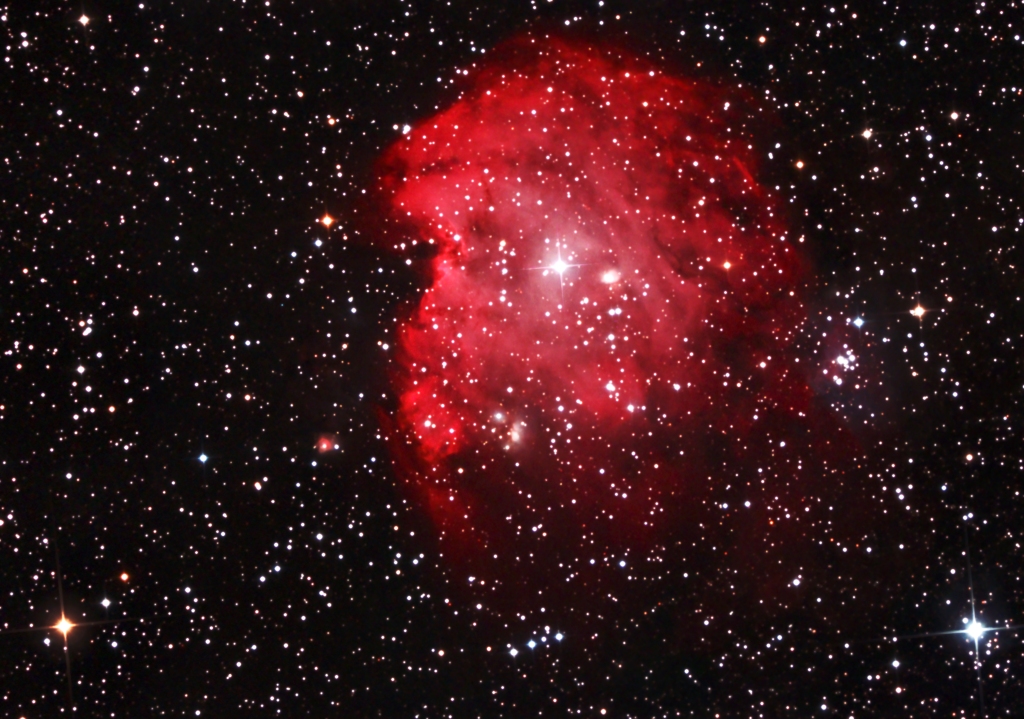
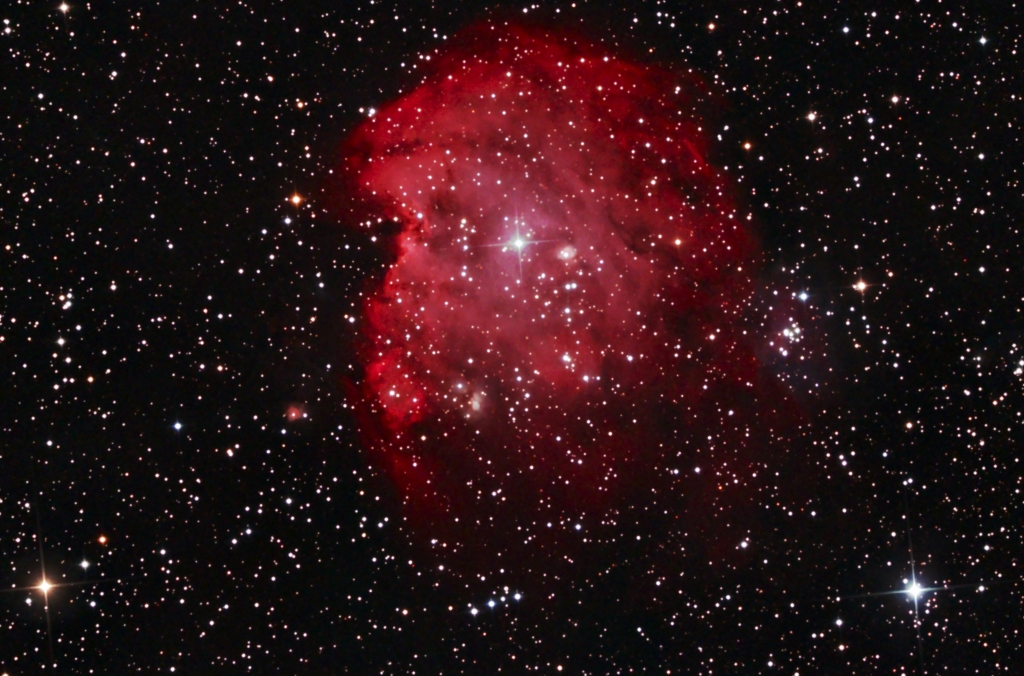
The Monkey Head nebula – proper application of Registar

I actually spent a little while looking at the “Help” instructions that came with Registar in an attempt to see what it does and to hopefully apply it properly to mosaics.  Why has it taken me so long to look at the “Manual”?  Because I had to download some file or other from Microsoft to allow me to see a “Help” file with this Windows 7 64-bit system.  Now why this can’t be done automatically I don’t know – but eventually I read the file.  So here is the recent Monkey Head nebula data properly registered with old Hyperstar I data and cropped down to almost the old Hyperstar I/H9C field.

Posted in Hyperstar and SXVF-M25C | Leave a comment