
Getting a bit faint now, supernova SN 2020 fqv in the Siamese Twins (a galaxy pair in Virgo), imaged last night using the HyperstarIII on the C11 using the Trius 814C OSC CCD and 19 x 300-second subs. At least I got it before it disappeared.
Getting a bit faint now, supernova SN 2020 fqv in the Siamese Twins (a galaxy pair in Virgo), imaged last night using the HyperstarIII on the C11 using the Trius 814C OSC CCD and 19 x 300-second subs. At least I got it before it disappeared.
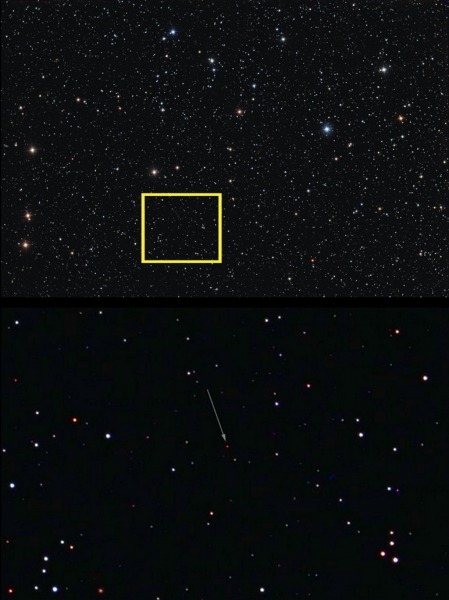
Got today’s EPOD with “Superluminous Quasar” a very bright quasar in the constellation Lynx. Thank you Jim Foster at EPOD for continuing to publish my work.
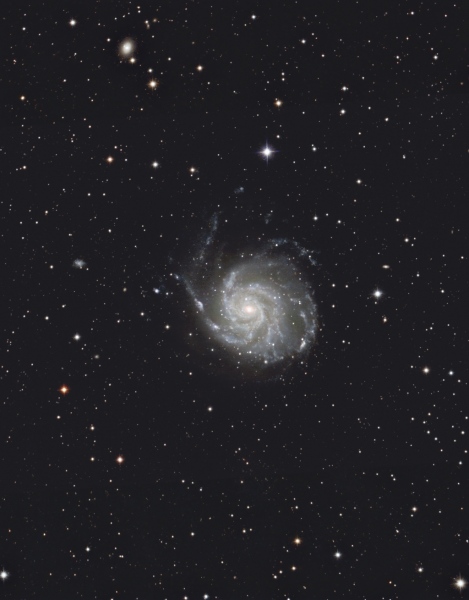
Last night’s effort. 20 x 10-minute subs using the Hyperstar III on a C11 with a Trius 814C and Lodestar guider. Galaxy M101. Bit disappointed as I thought it might turn out a lot deeper than this. Now realising my skies have deteriorated a LOT since I first started imaging in Autumn 2004.
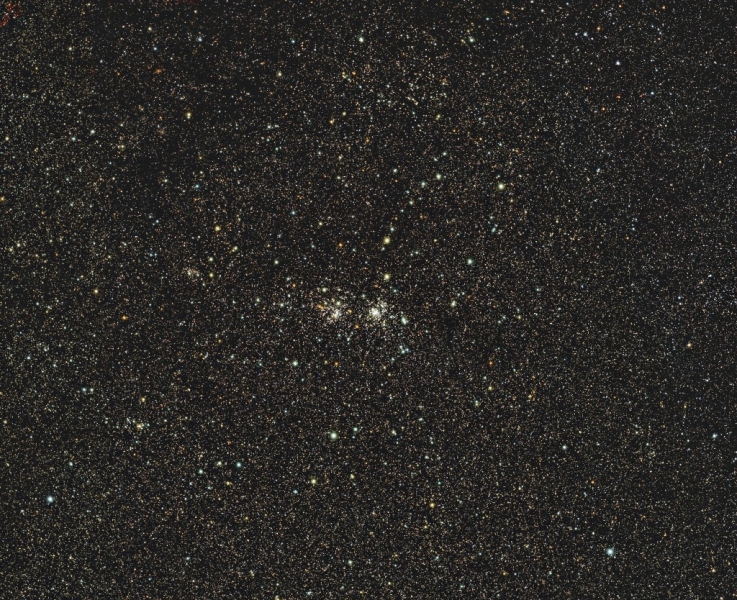
I have put together a number of 200mm lens + Trius M26C OSC CCD images of the Double Cluster region to create this 2-frame mosaic/composite image of the region. Total number of imaging hours approximately 12.
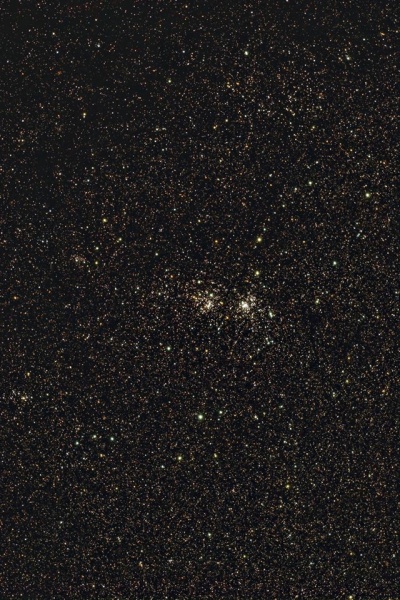
Still yet another clear, Moonless night, on 24th March 2020 (and it could be yet another one tonight!!) and the target this time (as it has been dozens of times before) was the Double Cluster – I guess I just can’t help returning to this one. 20 subs at 10-minutes per sub using the Canon 200mm lenses and the Trius M26C OSC CCDs. Glorious evening. If tonight is clear once again, I think I might try the Leo trio with both the 200mm lenses AND the Hyperstar.
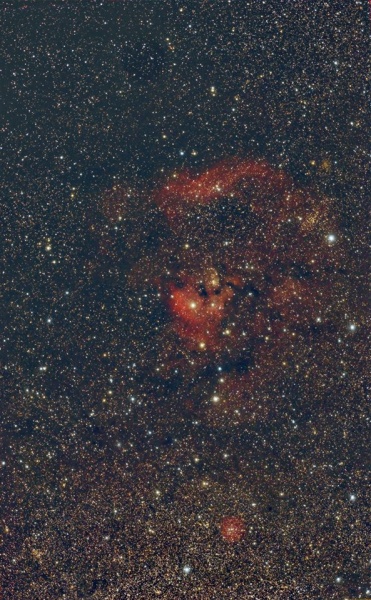
Got out again on 23rd March 2020 with yet another clear, Moonless night. Target this time was NGC 7822 (the question mark nebula), turned out to be much bigger than I was expecting. Canon 200mm lenses and the Trius M26C OSC CCDs got this one with 11 x 15-minute subs.
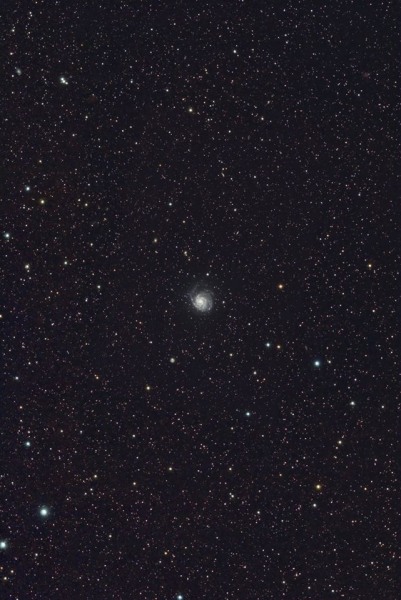
Got out on 16th March 2020 with a clear Moonless sky to grab M101 with the 200mm lenses and the Trius M26C OSC CCDs. Managed to get 7 x 15-minute subs giving the above result. Not too bad considering how long it’s been since I’ve been able to get out and fire up the kit.
Clear AND Moonless last night, so I managed to get out and image the Pi Geminorum region for an American lady who wanted a piccie of that area. Very surprised to find the equipment still worked after all that time off.
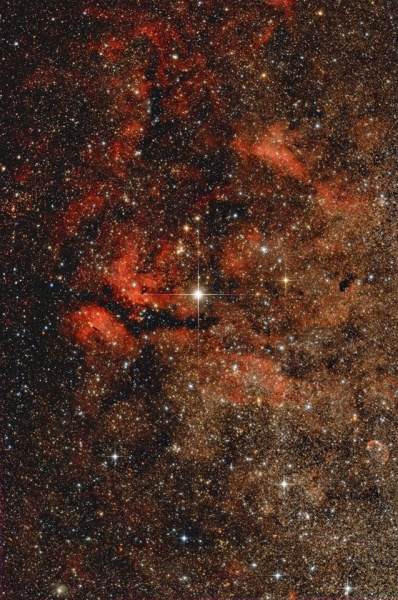
Here’s a reminder that I used to take deep-sky images at the New Forest Observatory. This is a single-framer of the Sadr region in Cygnus taken with the 2 x Canon 200mm prime lenses and the 2 x Trius M26C OSC CCDs. You can just make out NGC6914 towards the upper left.
I have had just one outing over this Winter season so far and maybe 4 or 5 outings at the beginning of 2019. This is by far the worst year of imaging I’ve had since starting in Autumn 2004. And what has the New Year brought? Nothing but non-stop rain here in the New Forest and it is the wettest I’ve ever known it over the forest which makes the dog walking a right pain. Climate Change? Who knows? However this is also the first Winter I have known here where I have fed the fish every day – which means the water temperature has not been less than 6C. Crazy times!!!