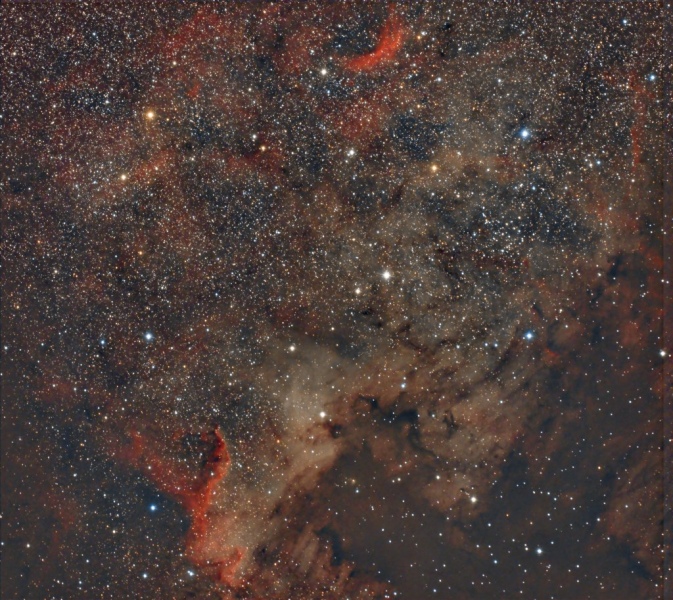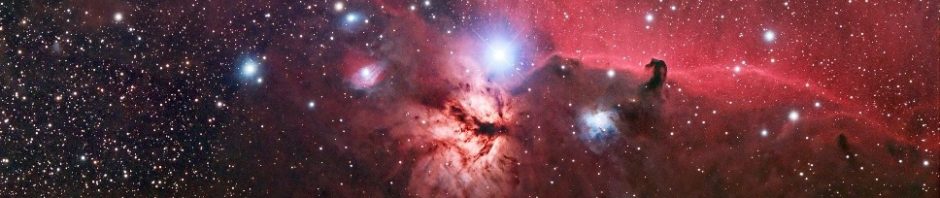

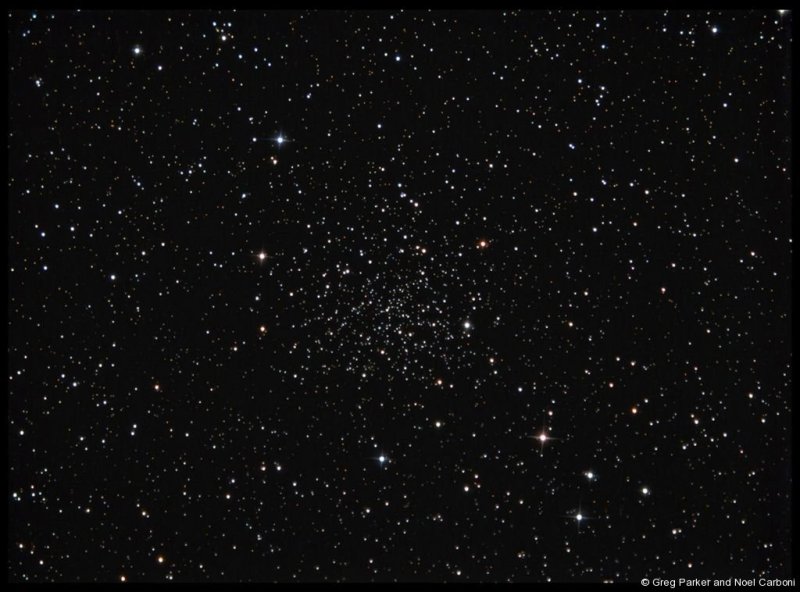
The 2-billion year old open cluster NGC752 in the constellation Andromeda – together with a whole bunch of faint fuzzies (galaxies) in the background. North is up in this image.
The 2-billion year old open cluster NGC752 in the constellation Andromeda – together with a whole bunch of faint fuzzies (galaxies) in the background. North is up in this image.
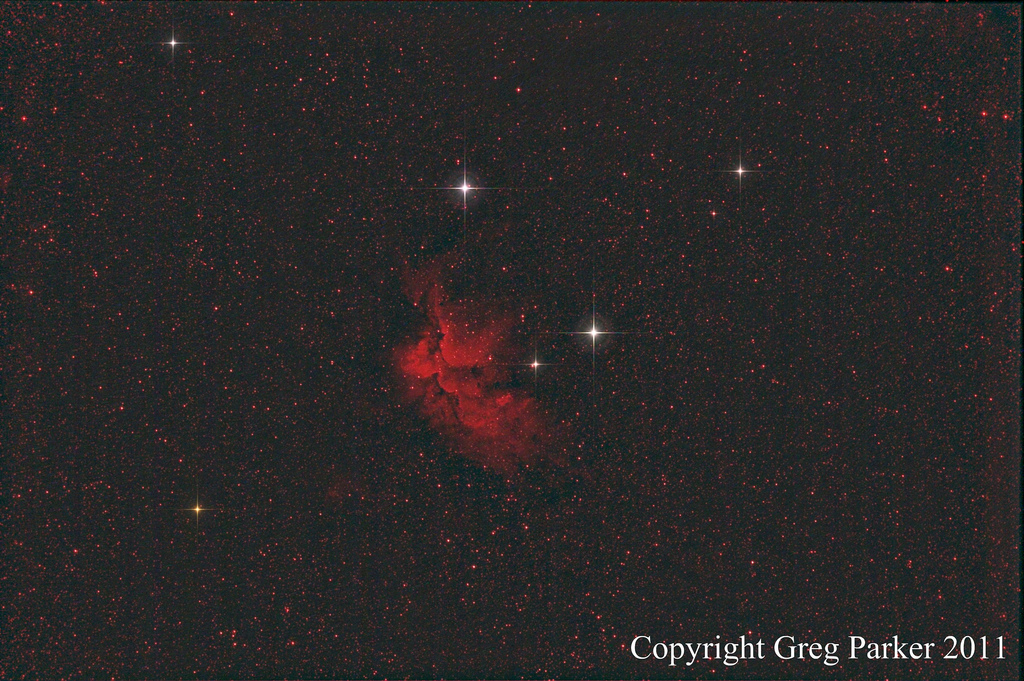
An H-alpha narrowband image of NGC7380 in Cepheus taken way back on October 11th 2008 – just found unprocessed on the HDD this morning 🙂
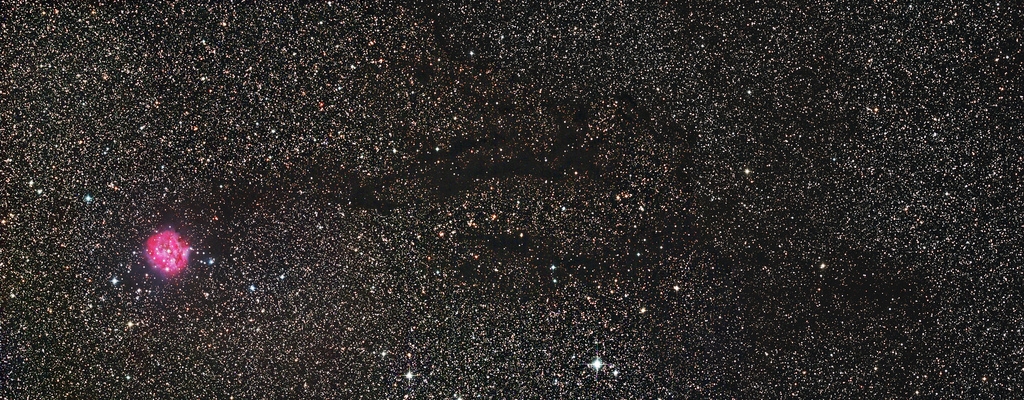
Today’s EPOD is a 3-frame mosaic of the Cocoon nebula region showing the dark trailing nebulosity behind the Cocoon with the Milky Way as a backdrop. Thank you Jim for continuing to publish my work on EPOD 🙂
As I sit here with a gale roaring outside and the rain pelting down I wonder if I will ever see a clear sky again – and this got me thinking about how I will run the mini-WASP array.
It was always my original intention that the mini-WASP array would be a “parallel imager” – that is each scope and camera would image the same object so that the total imaging time would be effectively the time you image that evening multiplied by the number of imaging cameras. I then got field of view fever and thought I’d rather have the cameras having an overlapping field of view (along one edge) so that I can form a mosaic in just one imaging session. The main negative thing about this approach is that by overlapping images you are effectively throwing away the pixels in the overlap region of one camera – with my 10 Megapixel SXVR-M26C cameras this is likely to amount to 1 Megapixel – almost the size of my first imaging camera!! This is not too clever. You also don’t get the “time gain” if you work this way, and seeing the very few good days we’ve had for imaging these last few months I am beginning to think that time gain is much more important than field of view gain. There’s also another reason why it might be a good idea to image just one object with multiple cameras. At present I have two scopes and imaging cameras – when it comes to adding the 3rd scope and camera it would be difficult to bolt its field of view onto the other 2 cameras – but of course it is no problem at all to use the third scope to once again image the same object as the other 2 scopes.
So – the way my thinking is going at present is that I will double up my effective imaging time on the single camera/scope field of view of 3.33 x 2.22 degrees, rather than sacrifice the imaging time for a massive 4 x 3.33 degree field of view. The full 4 camera mini-WASP array would of course offer the possibility of a massive 6 x 4 degree field of view at a very respectable sampling of 3 arcseconds per pixel. When I finally get to fitting all 4 imagers to the mini-WASP I might just possibly use it in the large field of view mode to capture those few very big objects (or groups of objects) that require it – it really is very tempting to play with a 6 x 4 degree high resolution deep-sky imager 🙂
September may be the beginning of decent long evenings but wall to wall cloud doesn’t make for many images 🙁
Hooray – September – and some decent long evenings after what has been a very long wait.
So what can we spend our time on this month to make all the effort of maintaining an interest in this hobby worthwhile?
Well, I particularly like imaging in the north, mainly because this isn’t done too much. And what about going for the most northerly Caldwell object? Caldwell 1, otherwise known as NGC188 – a nice large open cluster in Cepheus.
NGC188 lies around 4,800 light years away and shines at a magnitude of 7.1 (O’Meara) with an apparent diameter of 15 arc minutes – so fairly large. There isn’t much up this high in the northern wastes so NGC188 is a bit of a gem out there all on its own. It does quite well even in the large field of view of the Sky 90, and the large FOV does accentuate the barren surroundings of Caldwell 1 – something that once again gives the image a little bit of impact.
As with clusters in general, I recommend 3-5 minute sub-exposures and as close to 100 as you can get for a nice low-noise image.
NGC188 is one of my favourite open clusters, and as it doesn’t seem to get much imaging time, why not give it a try this year?
Until October – clear, dark skies to you all 🙂

Tom How spent a night over the Bank Holiday weekend at the NFO where he had a good play with the mini-WASP array – I was attempting (half satisfactorily) to polar align the Hyperstar III in the south dome. Meanwhile Tom in the North dome was collecting some quite nice Heart nebula data from Camera 1 of the two camera system. This image shows about an hour’s worth of data collected using the Sky 90 with IDAS filter and an SXVF-M26C 10 Megapixel one-shot colour camera. The camera has not yet been collimated which explains the star shape changes across the FOV. However – the camera response is much as I have seen previously with the M25C (bigger pixels) and so it proves as I had anticipated, that I will not see any reduction in sensitivity with the smaller M26C pixels as I am working at a pretty short focal length. So – a step up from 6 Megapixels to 10 Megapixels and then times 2 for two cameras – this mini-WASP array will be producing some amazing data when it is all tuned up.
So what more needs to be done before we can see the full power of the mini-WASP array? Not a great deal really:
1) Properly focus train and collimate both cameras.
2) Align cameras for slight overlap so that I can take a 4 x 3.33 degree field of view in one go.
3) Take some new flats with a properly collimated system.
4) Focus train for the H-alpha, H-beta, SII and OIII filters.
And that should be it for a while 🙂
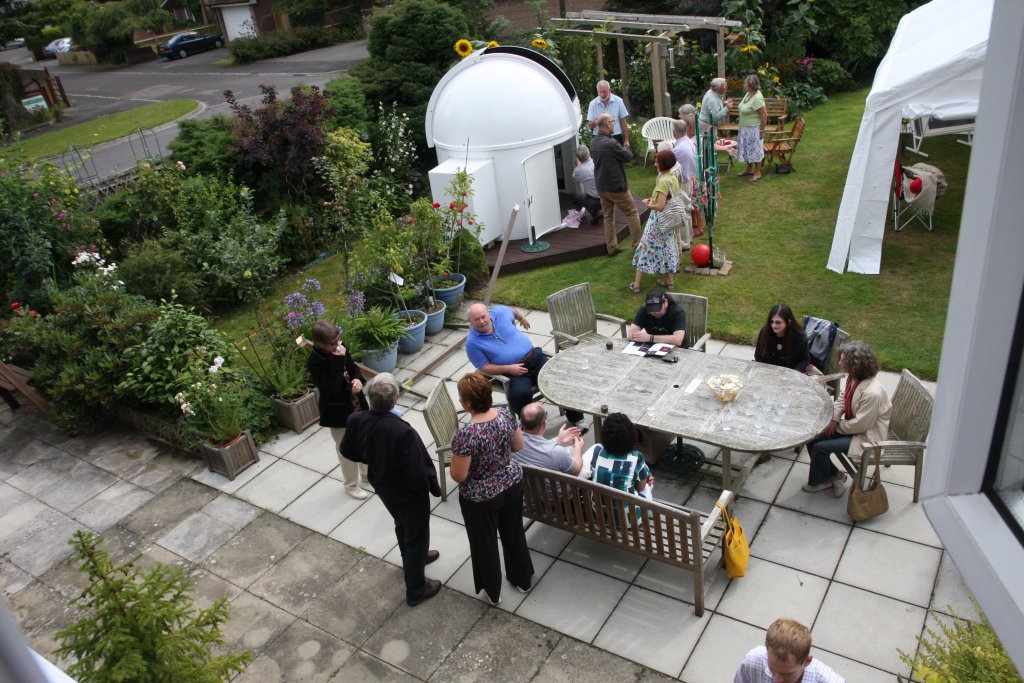
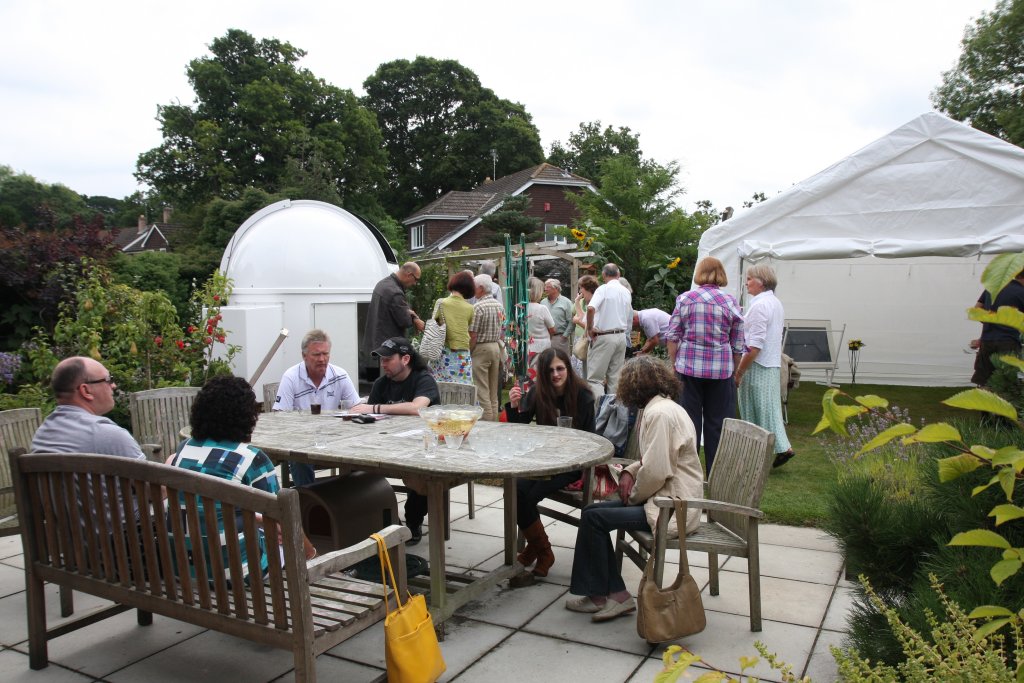
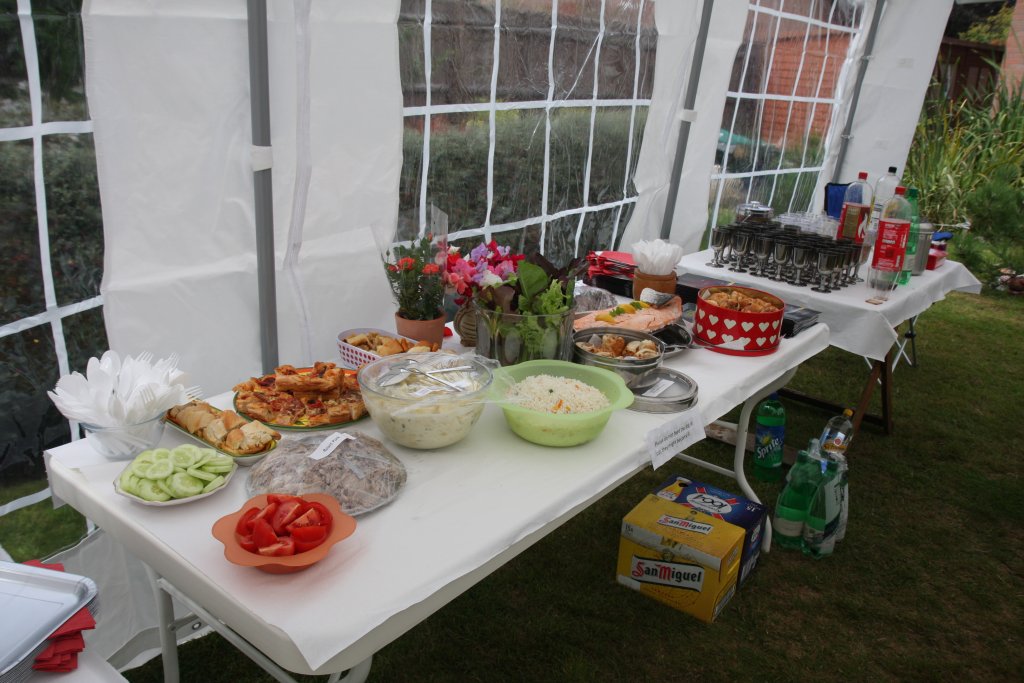
Here are a few pictures from the day – I still can’t believe how lucky we were with the weather. Had a few drops of rain first thing in the morning just to put the scarers on us – then cleared up beautifully for the rest of the day 🙂
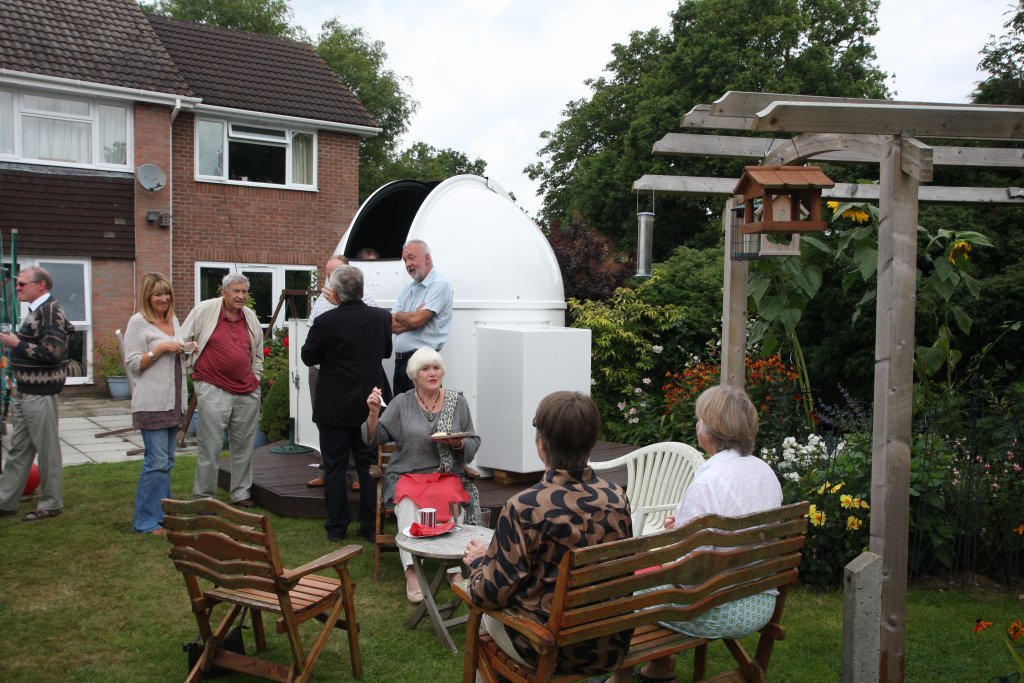
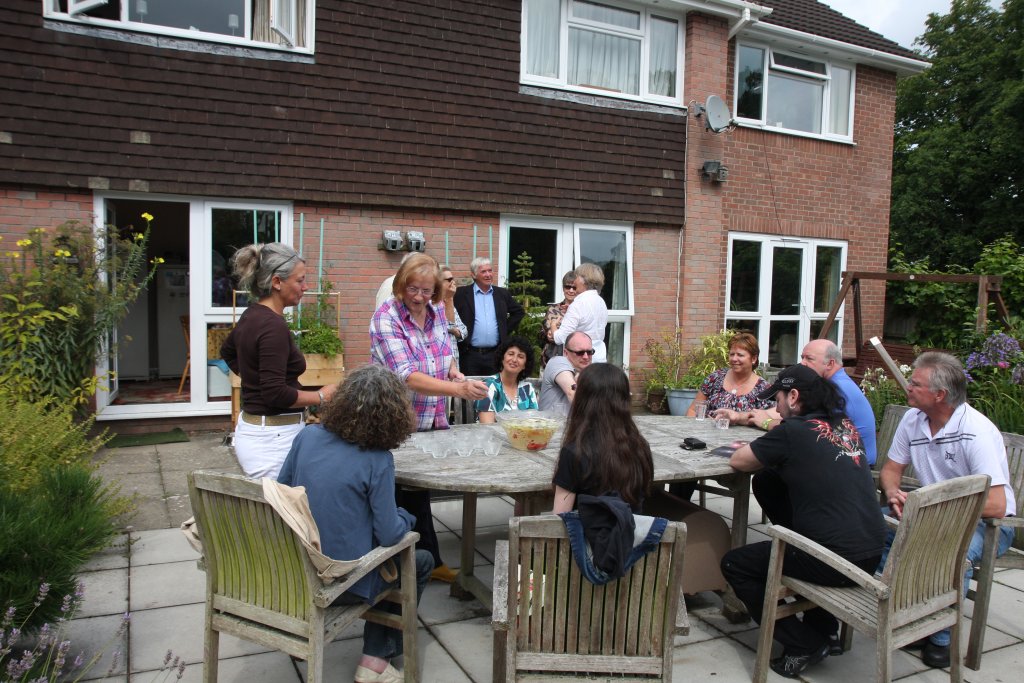
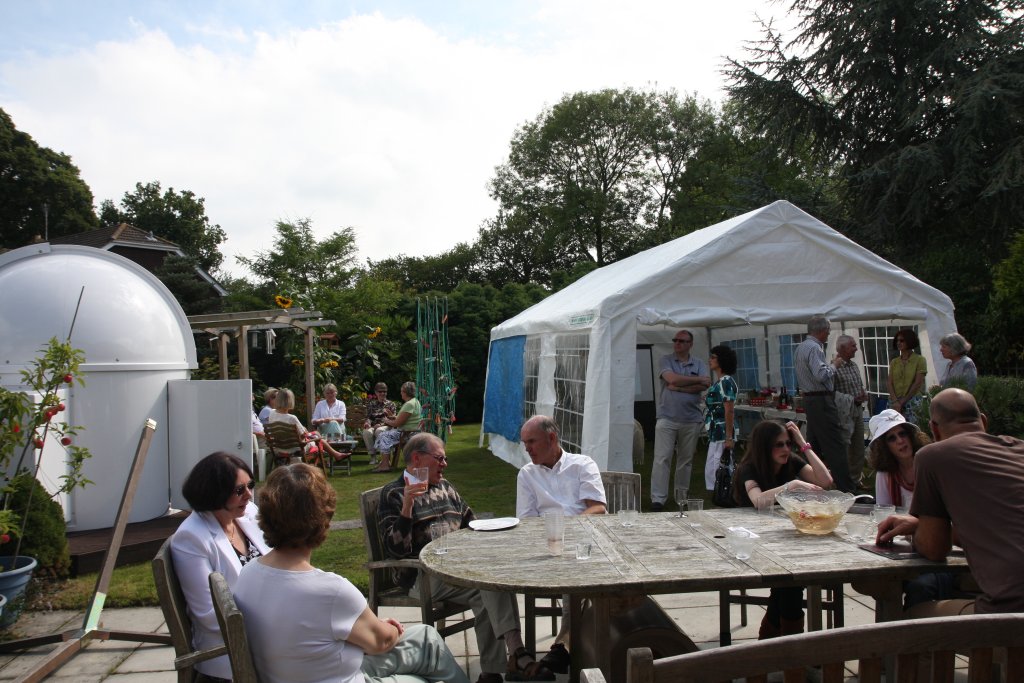
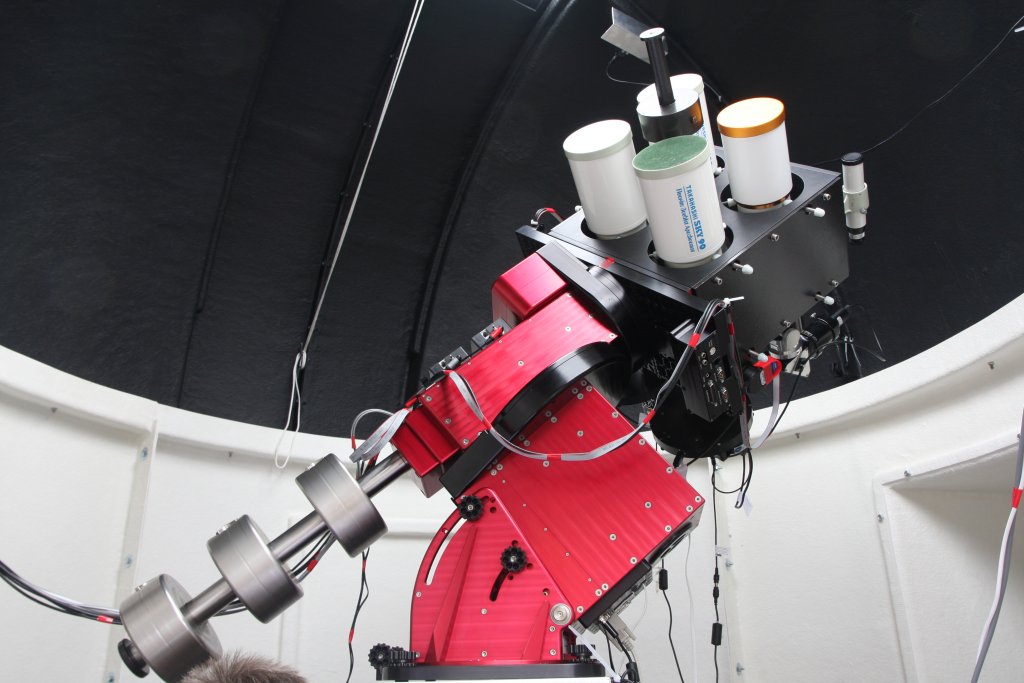

Vesta is in the news recently and here is a New Forest Observatory image of the asteroid Vesta making its way out of Leo near the bright star Algieba.
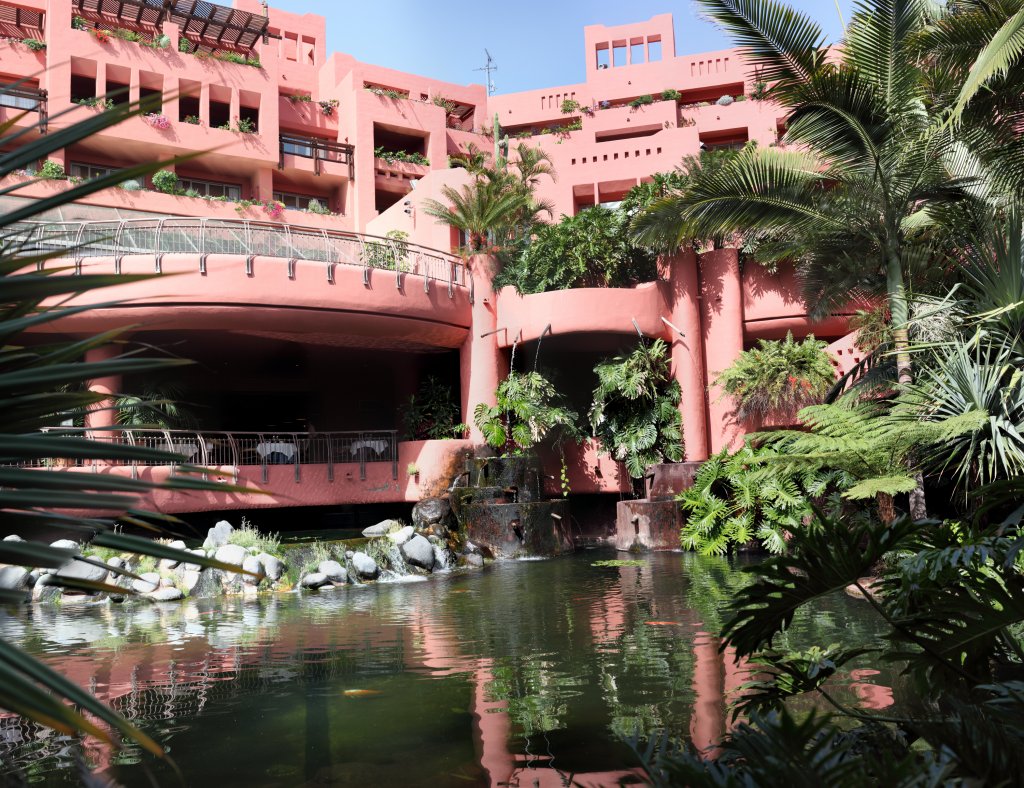
As summer definitely starts retreating and autumn approaches a bit too rapidly – thoughts go back to a warmer time at the Starmus Festival on Tenerife – June 2011. This is the sumptuous Abama Hotel where most of the Festival was held – it really was like something out of Star Wars springing out in the middle of a desert landscape like a fairy-tale oasis – a totally remarkable place.